Capacity Development vs Training
Many organizations invest heavily in training, yet continue to struggle with poor performance, weak execution, and limited institutional growth. Courses are delivered, certificates are issued, but results remain unchanged. The problem is not a lack of training; it is a misunderstanding of capacity development.
Capacity development is often mistaken for training. In reality, training is only one component of a much broader, systemic process. Organizations that fail to make this distinction risk wasting resources and missing opportunities for sustainable improvement.
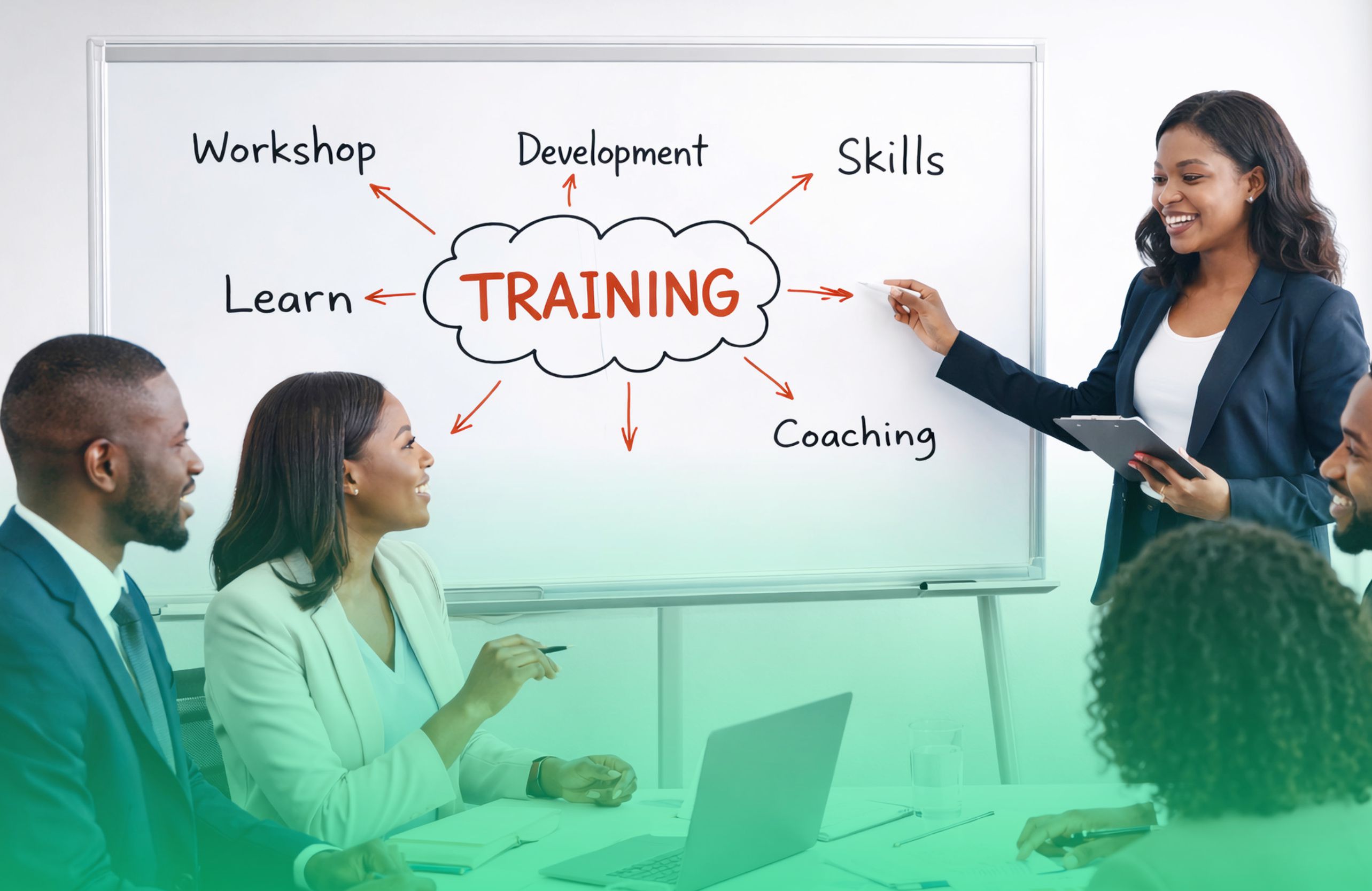
Training Is an Event. Capacity Development Is a System.Training focuses on individual skill acquisition, workshops, seminars, short courses, and certifications. Capacity development, however, addresses the ability of an organization as a whole to perform effectively and sustainably.
True capacity development considers:
People and competencies
Organizational structures and roles
Systems, processes, and tools
Leadership, culture, and accountability
Without these elements working together, training rarely translates into improved performance.
Common Mistakes Organizations Make1. Treating Training as a Standalone SolutionOrganizations often respond to performance gaps by sending staff to training without addressing underlying systemic issues such as unclear roles, weak processes, or outdated systems. As a result, employees return with new knowledge but no environment to apply it.
2. Ignoring Institutional CapacityCapacity development must extend beyond individuals. If policies, reporting lines, performance frameworks, and decision-making processes remain weak, individual competence alone cannot drive change.
3. Failing to Measure ImpactTraining success is often measured by attendance rather than outcomes. Capacity development requires measuring behavioral change, performance improvement, and organizational results.
What Effective Capacity Development Looks LikeA robust capacity development approach:
Begins with a diagnostic assessment to identify skills, systems, and structural gaps
Aligns learning interventions with organizational goals
Integrates coaching, mentoring, and on-the-job application
Strengthens systems and processes that support performance
Measures results through clear performance indicators
The Crescien Perspective
At Crescien Consulting, capacity development is designed as an integrated process. We combine workforce assessments, competency frameworks, learning design, and performance systems to ensure that capability building translates into measurable organizational results.
Key Takeaway
Training builds knowledge. Capacity development builds organizations. Sustainable growth requires moving beyond events to systems that enable people to perform effectively over time.