Building Systems That Scale with Organizational Growth
As organizations grow, systems that once worked often become bottlenecks. Manual processes, informal structures, and fragmented tools limit efficiency and decision-making.
Growth without systems leads to complexity. Sustainable growth requires scalability.
Signs Your Systems Are Not ScalingIncreasing operational inefficiencies
Data inconsistencies
Delays in decision-making
Overdependence on individuals
Rising operational costs
Scalable systems are:
Standardized yet flexible
Digitally enabled
Integrated across functions
Data-driven
Adaptable to growth
HRIS for workforce management
CRM for stakeholder engagement
Performance management platforms
Financial and procurement systems
M&E and reporting dashboards
We design systems that grow with organizations, aligning people, processes, and technology to support efficiency, accountability, and long-term performance.
Key TakeawayGrowth should not strain your organization. With the right systems in place, growth becomes structured, sustainable, and strategic.

Why Performance Management Systems Fail, and How to Fix Them
Performance Management Systems (PMS) are intended to align individual effort with organizational objectives. Yet many organizations experience disengagement, unclear expectations, and ineffective appraisals despite having formal systems in place.
When performance management fails, it is rarely due to a lack of tools; it is due to poor design and weak integration.
Why Performance Management Systems Fail1. Lack of Strategic AlignmentMany systems are disconnected from organizational strategy. Employees are assessed on activities rather than outcomes that matter.
2. Overly Bureaucratic ProcessesComplex forms and infrequent reviews turn performance management into a compliance exercise rather than a developmental tool.
3. Absence of Feedback and CoachingAnnual appraisals without continuous feedback limit learning, engagement, and improvement.
4. No Link to Rewards or DevelopmentWhen performance data is not linked to recognition, promotion, or development, employees see little value in the process.
What an Effective Performance Management System RequiresA strong PMS is:
Strategy-driven: KPIs reflect organizational priorities
Transparent: Clear expectations and measurable indicators
Continuous: Regular check-ins, not annual surprises
Development-focused: Performance conversations drive growth
Data-enabled: Insights support leadership decisions
How Organizations Can Fix Their PMS
Redefine performance indicators around outcomes, not activities
Introduce regular feedback loops
Train managers on coaching and objective assessment
Digitize performance tracking for transparency and analysis
Link performance to rewards, learning, and career progression
Crescien designs performance management systems that integrate KPIs, competency frameworks, feedback mechanisms, and digital tools to foster accountability and continuous improvement.
Key TakeawayPerformance management should enable performance, not police it. When designed correctly, it becomes a powerful driver of engagement and results.
Capacity Development vs Training
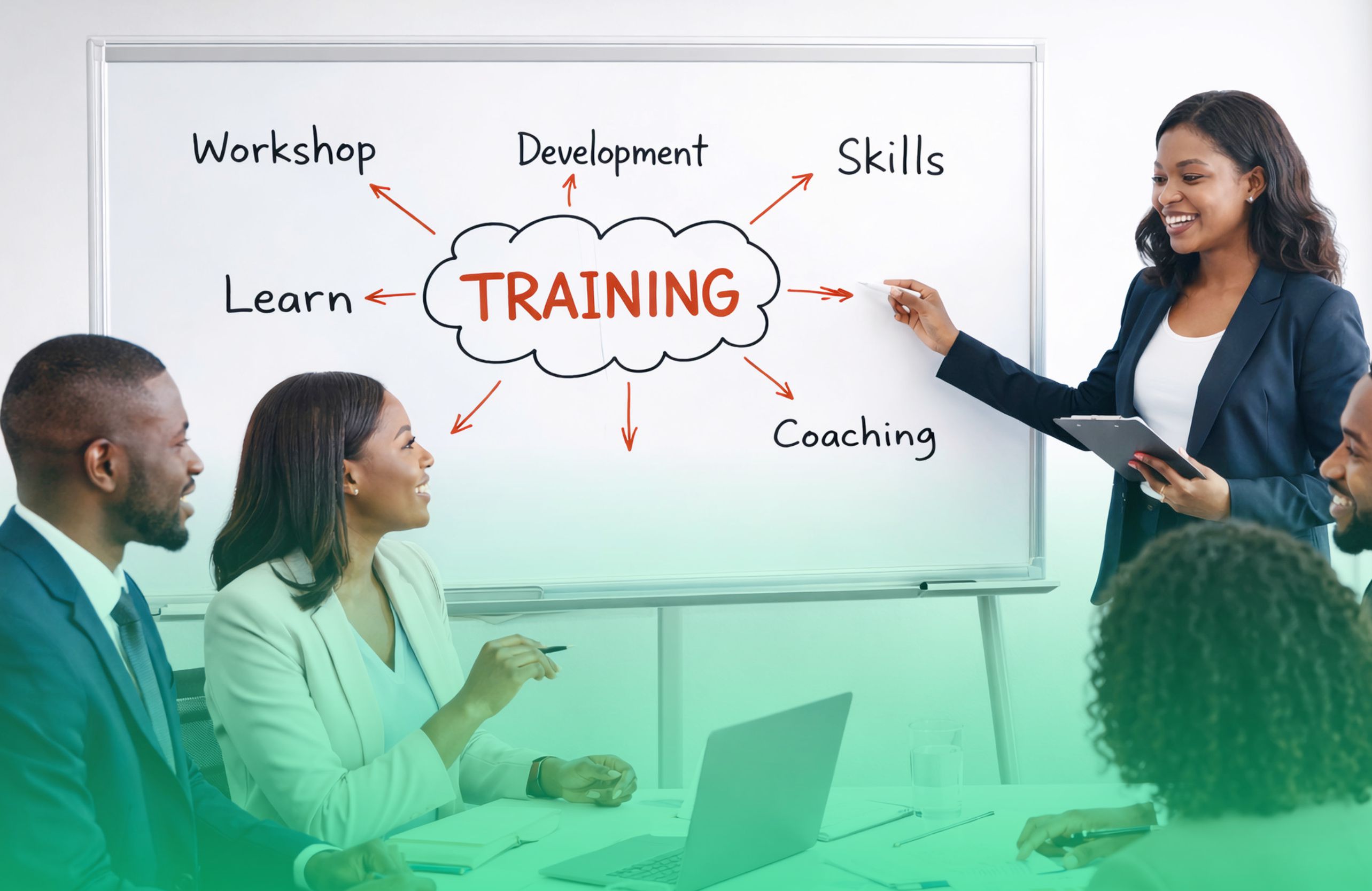
Many organizations invest heavily in training, yet continue to struggle with poor performance, weak execution, and limited institutional growth. Courses are delivered, certificates are issued, but results remain unchanged. The problem is not a lack of training; it is a misunderstanding of capacity development.
Capacity development is often mistaken for training. In reality, training is only one component of a much broader, systemic process. Organizations that fail to make this distinction risk wasting resources and missing opportunities for sustainable improvement.
Training Is an Event. Capacity Development Is a System.Training focuses on individual skill acquisition, workshops, seminars, short courses, and certifications. Capacity development, however, addresses the ability of an organization as a whole to perform effectively and sustainably.
True capacity development considers:
People and competencies
Organizational structures and roles
Systems, processes, and tools
Leadership, culture, and accountability
Without these elements working together, training rarely translates into improved performance.
Common Mistakes Organizations Make1. Treating Training as a Standalone SolutionOrganizations often respond to performance gaps by sending staff to training without addressing underlying systemic issues such as unclear roles, weak processes, or outdated systems. As a result, employees return with new knowledge but no environment to apply it.
2. Ignoring Institutional CapacityCapacity development must extend beyond individuals. If policies, reporting lines, performance frameworks, and decision-making processes remain weak, individual competence alone cannot drive change.
3. Failing to Measure ImpactTraining success is often measured by attendance rather than outcomes. Capacity development requires measuring behavioral change, performance improvement, and organizational results.
What Effective Capacity Development Looks LikeA robust capacity development approach:
Begins with a diagnostic assessment to identify skills, systems, and structural gaps
Aligns learning interventions with organizational goals
Integrates coaching, mentoring, and on-the-job application
Strengthens systems and processes that support performance
Measures results through clear performance indicators
The Crescien Perspective
At Crescien Consulting, capacity development is designed as an integrated process. We combine workforce assessments, competency frameworks, learning design, and performance systems to ensure that capability building translates into measurable organizational results.
Key Takeaway
Training builds knowledge. Capacity development builds organizations. Sustainable growth requires moving beyond events to systems that enable people to perform effectively over time.